
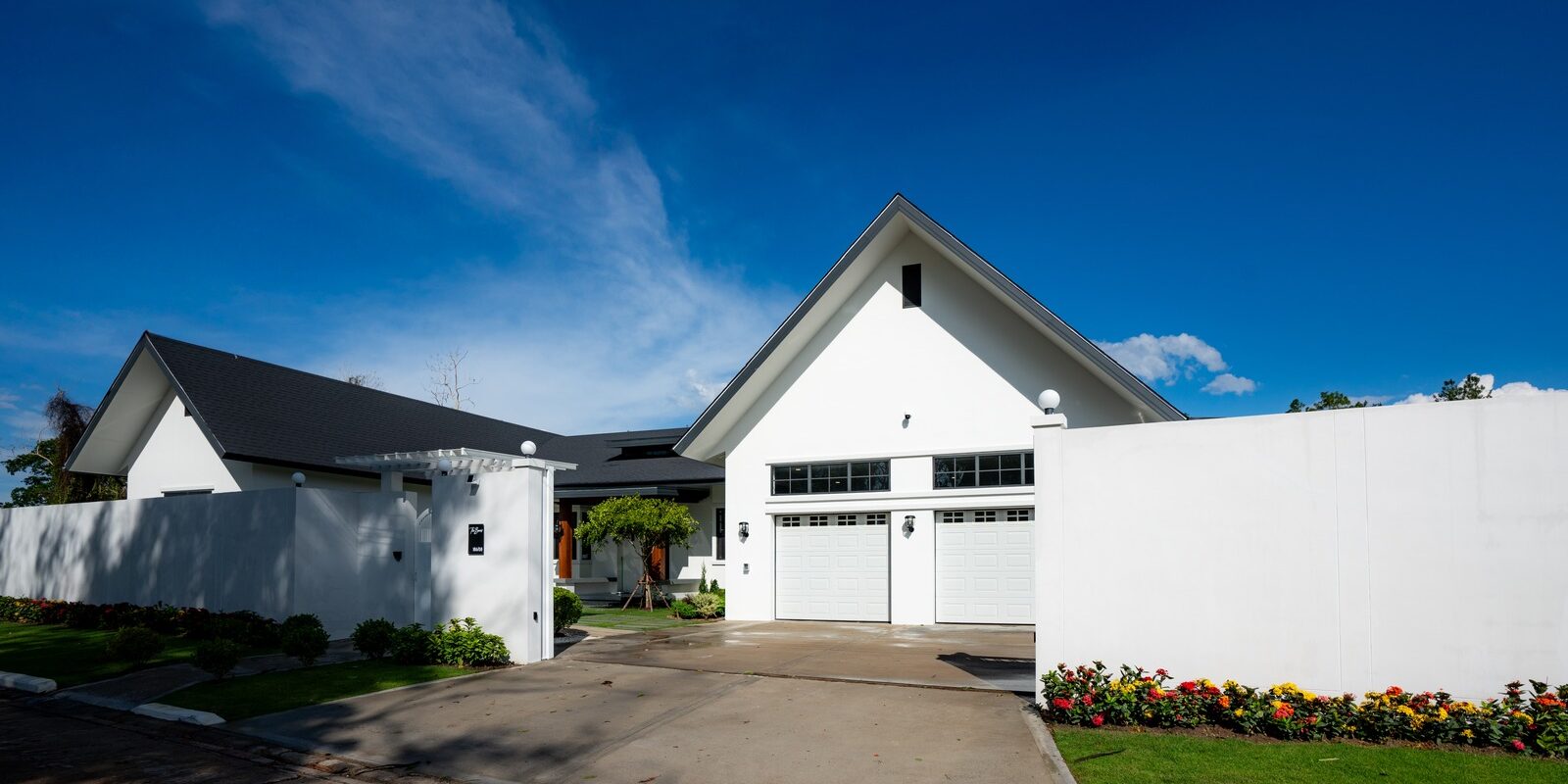
7 Essential Steps to Building a Home
Every Homeowner Should Know Before Starting Construction
Building a home is one of life’s most important goals for many people. A home is not just a place to live
it’s a space for family happiness, a reflection of your identity, and a high-value long-term investment.
However,many people planning to build a home often have key questions such as:
“Where should I start?”
“What steps are involved?”
“How should I prepare before construction begins?”
This article will guide you through the 7 essential steps of building a home
key knowledge every homeowner should have before starting a project.
1. Set Your Construction Budget
The first step in building a home is to clearly define your budget, as it determines the size of the house, design approach, and construction materials. Key costs to consider include construction, architectural design, permits, interior decoration, and furniture. Establishing a budget early helps you plan effectively and reduces the risk of cost overruns.
2. Choose the Right Land
Land is another critical factor that directly impacts your home construction. You should evaluate aspects such as land size and shape, elevation and soil condition, road access and utilities, as well as zoning regulations and local laws. Understanding these factors allows architects to design a home that fits the site properly and helps prevent future construction issues.
3. Design Your Home to Fit Your Lifestyle
Defining both the aesthetics and functionality of your home is essential. The design should consider factors such as family size, lifestyle, required living space, natural light and wind direction, and privacy. A well-designed home ensures comfortable living and supports your needs in the long term.
4. Choose the Right Home Builder or Contractor
One of the most important factors affecting the quality of your home is the construction team. Homeowners should choose a builder or contractor with proven experience, a strong portfolio, and a professional team. Key considerations include:
- Work experience
- Past project portfolio
- Construction standards
- Clear contract terms
- Budget transparency
5. Obtain Construction Permits
Before starting construction, you must apply for a building permit from the local authorities. Common required documents include architectural drawings, structural calculations, land ownership documents, and certifications from engineers and architects.
6. Start Construction
Once everything is ready, the construction process begins. Typically, the main stages include:
- Site preparation
- Foundation and piling work
- Main structural construction
- Wall and roof installation
- Electrical and plumbing systems
- Interior and exterior finishing
7. Final Inspection Before Handover
After construction is completed, the final step is the home inspection. Homeowners should carefully check details such as construction quality, electrical and plumbing systems, doors and windows, flooring, walls, and ceilings. A thorough inspection ensures any issues can be resolved before moving in.
Building a home is a significant investment. Choosing a team with real experience
and a deep understanding of construction is key to ensuring confidence at every stage of the process.